Publications
-
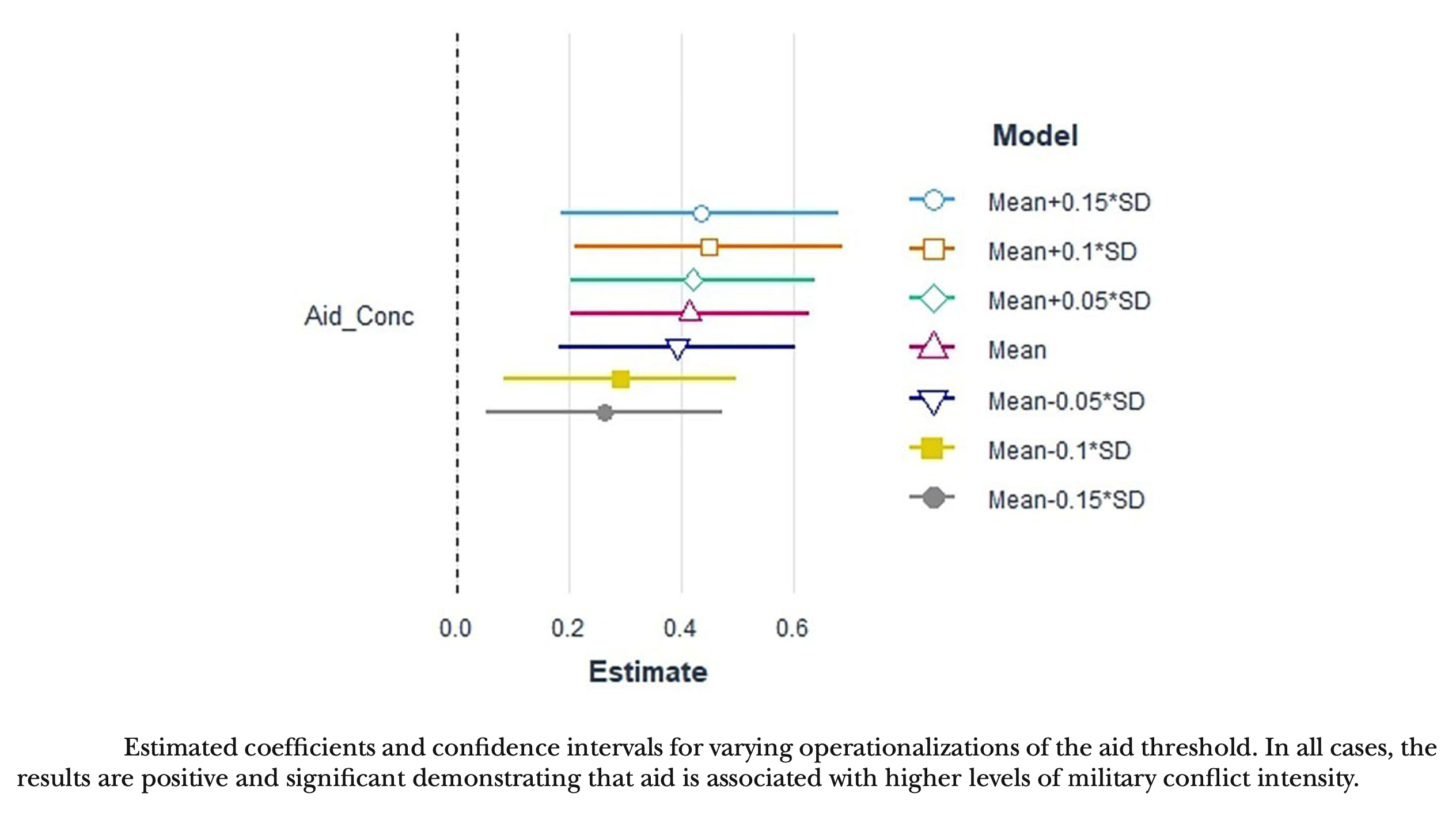
Aiding War: Foreign Aid and the Intensity of Violent Armed Conflict (with Michael Findley, Joseph K. Young, and Daniel Strandow) (2023)
Abstract
Does foreign aid reduce violence during ongoing wars? In the policy community, there has been growing optimism about the prospect for aid to improve conflict-affected and fragile areas. We investigate whether foreign aid decreases, or even increases, violence during ongoing armed conflict. We advance a theoretical argument that concentrated foreign assistance allocated during ongoing armed conflicts increases military fatalities but decreases civilian fatalities. Using geographically coded data on all sub-Saharan African countries in conflict between 1989 and 2008, within a matching frontier design and supplemented by instrumental variable analysis, we find strong substantive and statistical support for our expectations about military conflict intensity though less support for the expectations about civilian fatalities. The paper provides novel insights about the effects of concentrated aid on military versus civilian conflict intensity, characterizes the effects at a sub-national level, and expands the spatial-temporal period of the analysis. We also probe the plausibility of the causal mechanism using interview evidence drawn from ex-commanders of the Lord’s Resistance Army and generals of the Ugandan People’s Defence Forces in northern Uganda. The paper offers both academic and policy insights, including that foreign aid allocated during ongoing wars may be more problematic than it is helpful.
-
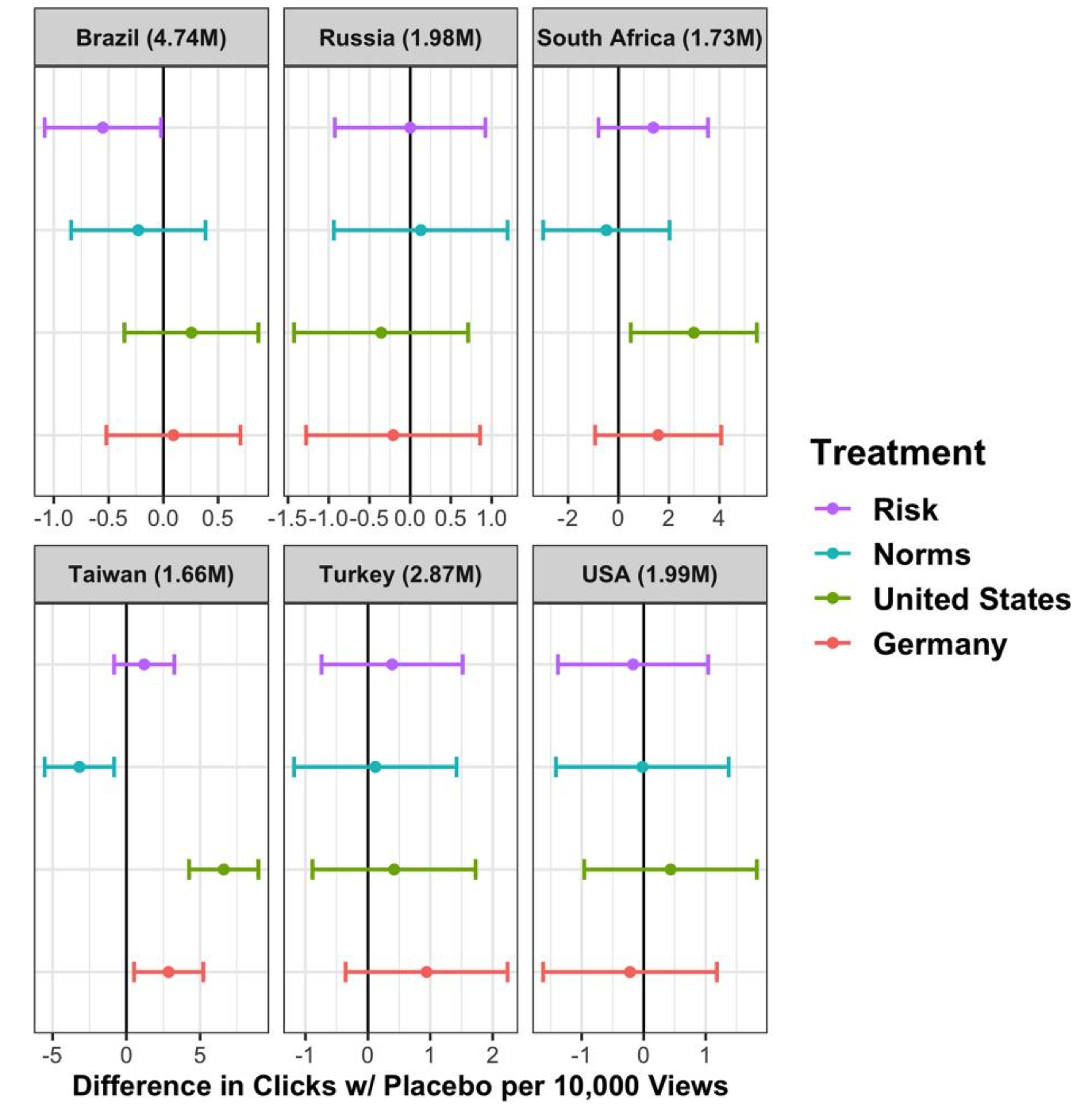
A Field Experiment Using Social Media Ads to Encourage COVID-19 Vaccination (with Jiseon Chang, Roman Hlatky, Huimin Li, and Daniel L. Nielson) (2024)
Abstract
Behavioral nudges in Facebook ads reached nearly 15 million people across six diverse countries and, consequently, many thousands took the step of navigating to governments’ vaccine signup sites. However, none of the treatment ads caused significantly more vaccine signup intent than placebo uniformly across all countries. Critically, reporting the descriptive norm that 87% of people worldwide had either been vaccinated or planned vaccination—social proof—did not meaningfully increase vaccine signup intent in any country and significantly backfired in Taiwan. This result contradicts prominent prior findings. A charge to “protect lives in your family” significantly outperformed placebo in Taiwan and Turkey but saw null effects elsewhere. A message noting that vaccination significantly reduces hospitalization risk decreased signup intent in Brazil and had no significant effects in any other country. Such heterogeneity was the hallmark of the study; some messages saw significant treatment effects in some countries but failed in others. No nudge outperformed the placebo in Russia, a location of high vaccine skepticism. In all, widely touted behavioral nudges often failed to promote vaccine signup intent and appear to be moderated by cultural context.
Working Papers
-
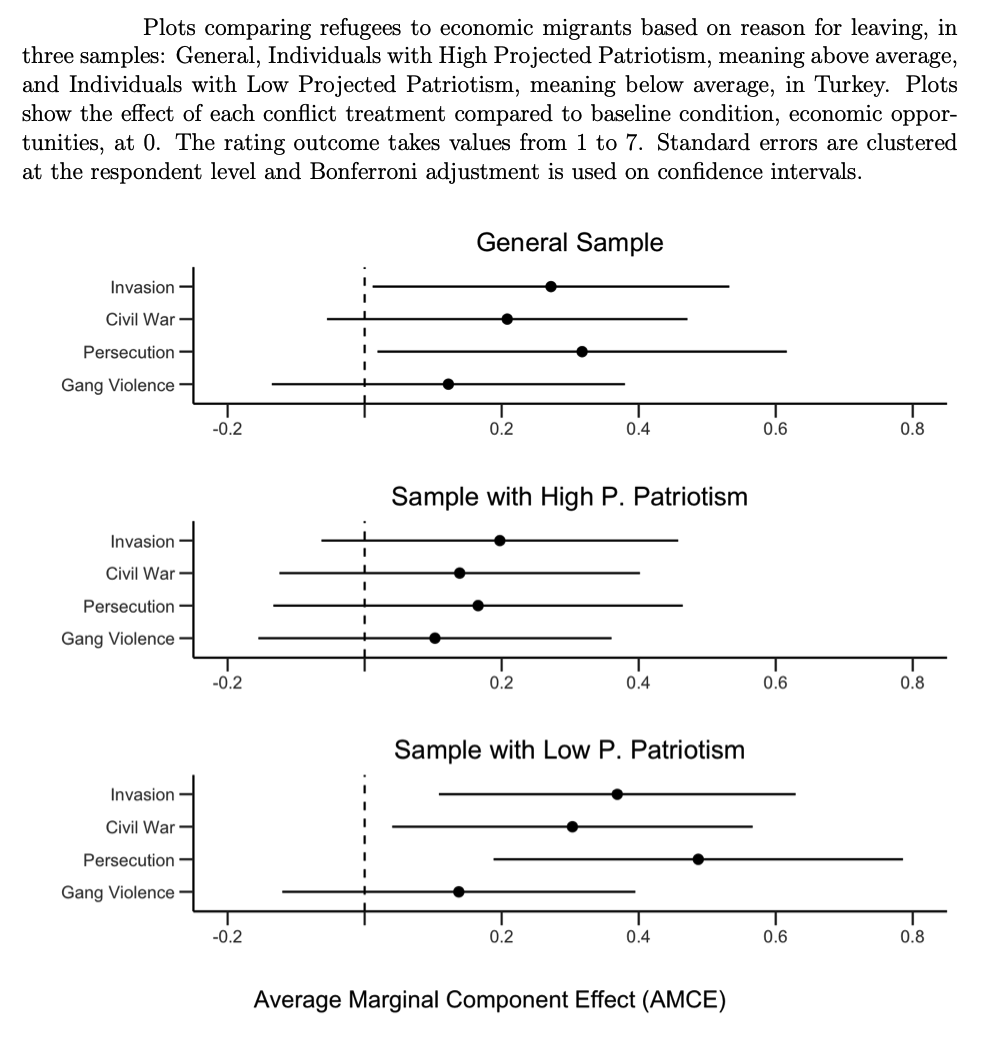
Fleeing (in)voluntarily: How Projected Patriotism Affects Attitudes Towards Conflict Migrants [JMP]
Abstract
What shapes attitudes towards conflict migrants? A growing literature points out the events that cause displacement, which can be grouped as voluntary (economic migrants) and involuntary (refugees), and the latter has been shown to elicit more positive attitudes than the former. The effect of common conflict types such as civil war, invasion, or gang violence, which does not immediately signal deliberate targeting as in the case of ethnic or religious persecution, is yet to be tested. Further, the distinction between voluntary and involuntary migration is based on assumptions that need to be addressed. While involuntary migration is argued to attract more sympathy than voluntary migration, I argue that fleeing conflict events such as civil war, invasion or gang violence, which constitute the main driver for the majority of forced displacements is not necessarily perceived as an involuntary act. To explain when and how people perceive it as a voluntary act, I introduce the concept of patriotism called Projected Patriotism. People who embrace this notion expect citizens of other countries to act in patriotic ways and judge them accordingly, shaping their attitudes toward refugees. Employing conjoint survey experiments in the United States and Turkey, I test these hypotheses. While conflict refugees are preferred more than economic migrants, the evidence suggests that this preference disappears with individuals with high Projected Patriotism in Turkey. The findings challenge the existing understanding about what constitutes voluntariness of migration and its effects on attitudes.
-
Who Should Be Patriotic: Projected Patriotism and Its Determinants [Under review]
Abstract
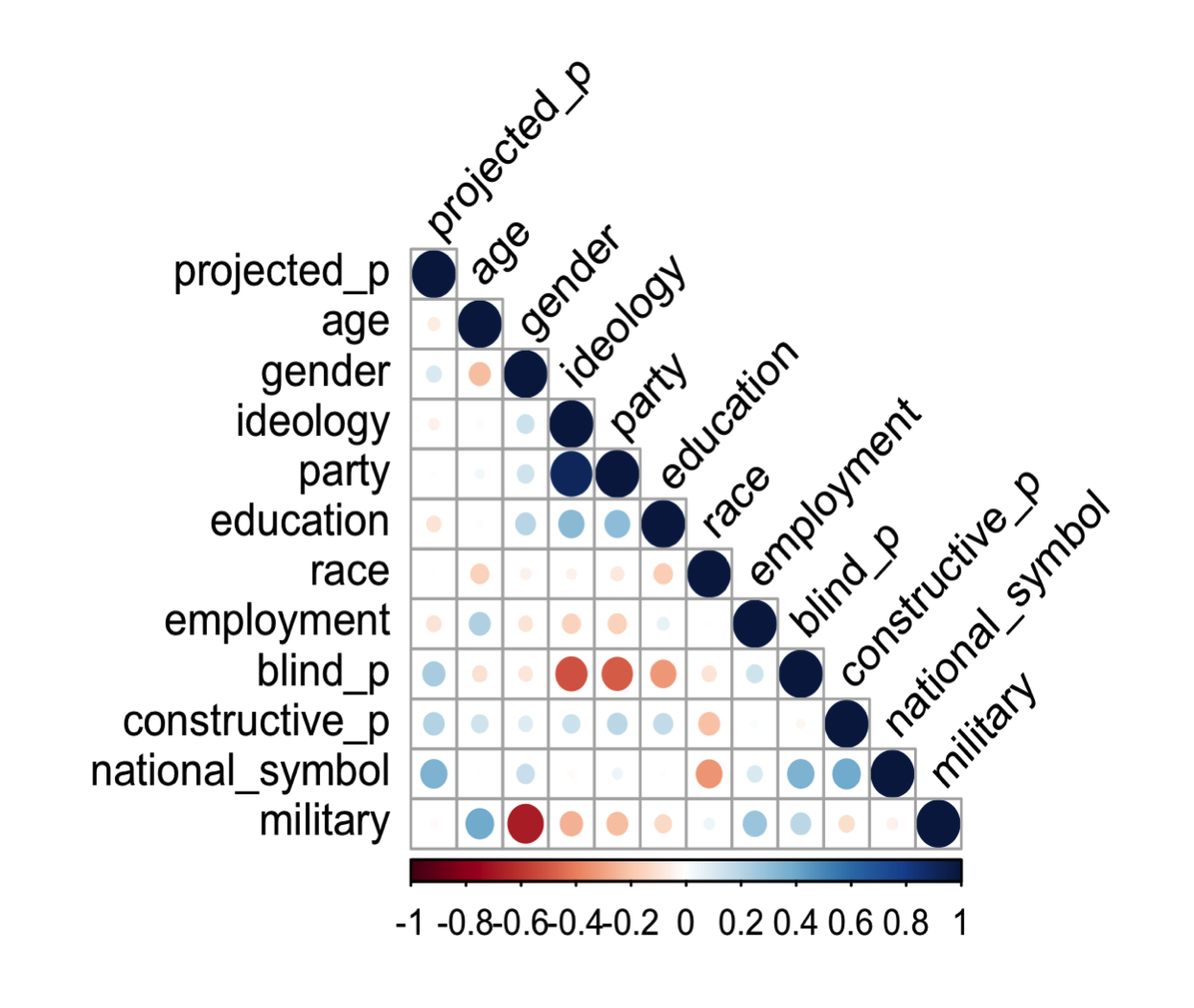
What do individuals expect regarding the patriotism of others, especially out-group members? This paper introduces Projected Patriotism, defined as the belief that out- group members, particularly migrants, should exhibit patriotic attachment to their country of origin. I argue that Projected Patriotism is a distinct, outward-facing di- mension of national identification, shaped by symbolic attachments and elite threat rhetoric. Using pre-registered survey experiments in the United States, a developed democracy with institutionalized refugee vetting, and Turkey, a developing country fac- ing large-scale refugee inflows, I test how exposure to economic, cultural, and security frames influences its expression. Results show that Projected Patriotism is moderately correlated with existing patriotism measures but conceptually distinct, reflecting nor- mative expectations rather than personal loyalty. Exposure to elite rhetoric framing migrants as threats significantly increases endorsement of Projected Patriotism in both contexts, and stronger attachment to national symbols consistently predicts higher levels. These findings establish Projected Patriotism as a distinct, context-sensitive attitude that shapes how publics evaluate migrants’ loyalty and deservingness — with implications for migration politics, national identity research, and the study of political polarization.
-
Decoupled Association: Terrorism, Extreme Threat, and Immigration Attitudes [Under review]
Abstract
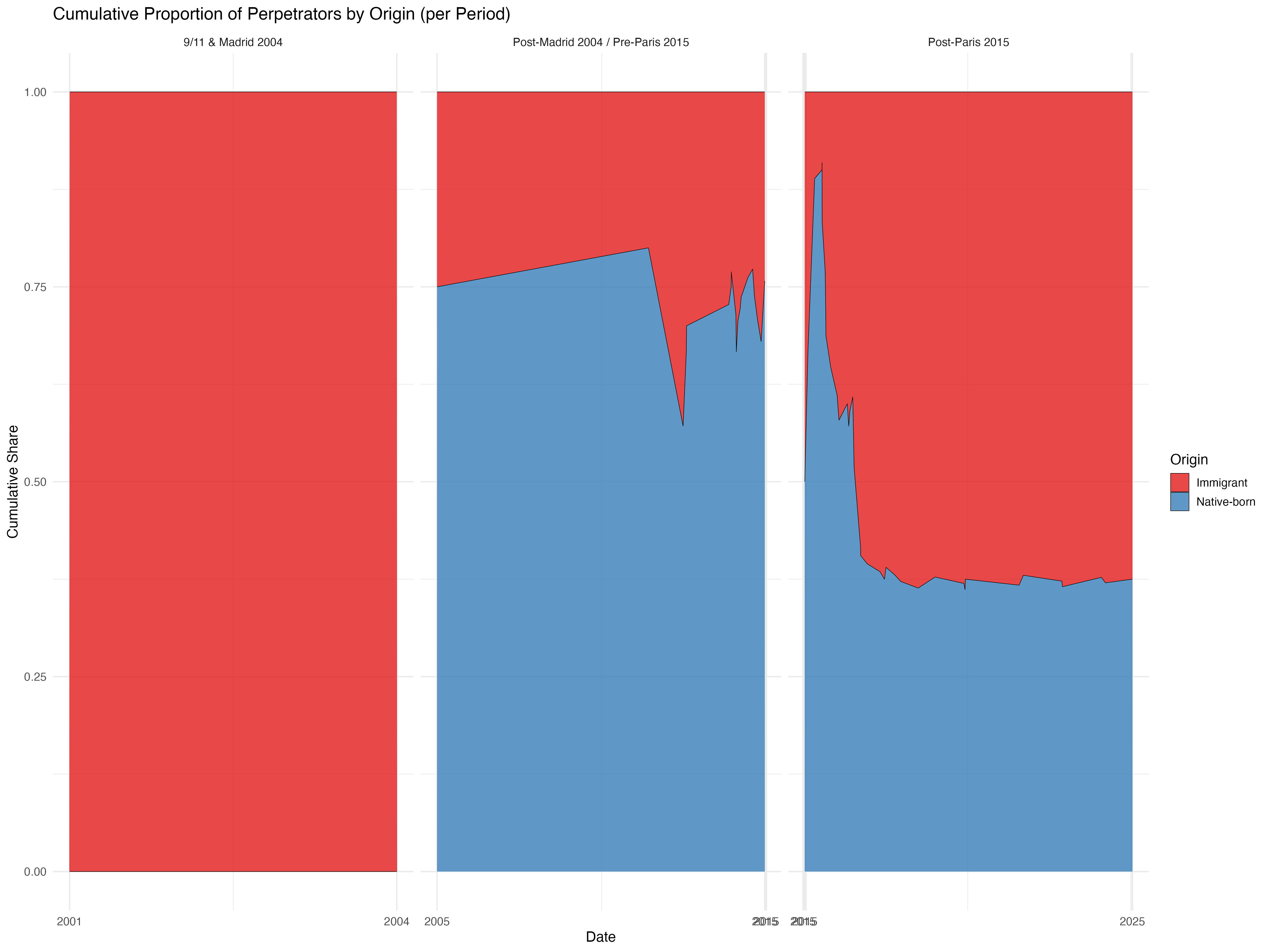
A large literature shows that terrorist attacks generate public back- lash against immigrants and related outgroups. These findings are typ- ically interpreted as plausible responses to violence when perpetrators are themselves immigrants or are widely perceived as such. Yet this assumption has become increasingly untenable. Since the mid-2000s, the majority of Islamist terrorist attacks in Western Europe have been carried out by native-born citizens rather than first-generation immi- grants, creating a disconnect between the attributes of perpetrators and the outgroups that absorb public hostility. This paper asks whether anti-immigrant reactions to terrorism persist even when the factual ba- sis for associating immigrants with violence is weak. I define decoupled association to capture a process in which extreme threat activates neg- ative attitudes toward immigrants despite the erosion of factual overlap between perpetrators and immigrant status. I test this argument us- ing the November 13, 2015 terrorist attacks in France, exploiting their quasi-random timing within Eurobarometer 84.3 as a natural exper- iment. Across a broad set of outcomes capturing both immigration policy preferences and social hostility, exposure to the attacks produces robust negative shifts in attitudes toward immigrants and refugees, and - most strikingly - are highly homogeneous across ideological, social, and demographic subgroups. This pattern contrasts with much of the prior literature, which emphasizes heterogeneous responses moderated by these subgroups. Taken together, the findings suggest that under conditions of extreme threat, heuristic-based attribution overwhelms deliberative reasoning, sustaining anti-immigrant backlash even when the empirical link between immigrants and terrorism has effectively col- lapsed.
-
Language and Voting Behavior among Asian Americans: The Case of the 2024 US Presidential Elections (with Amy Liu, Jangai Jap, Keith Chew and others) [Under review]
Abstract
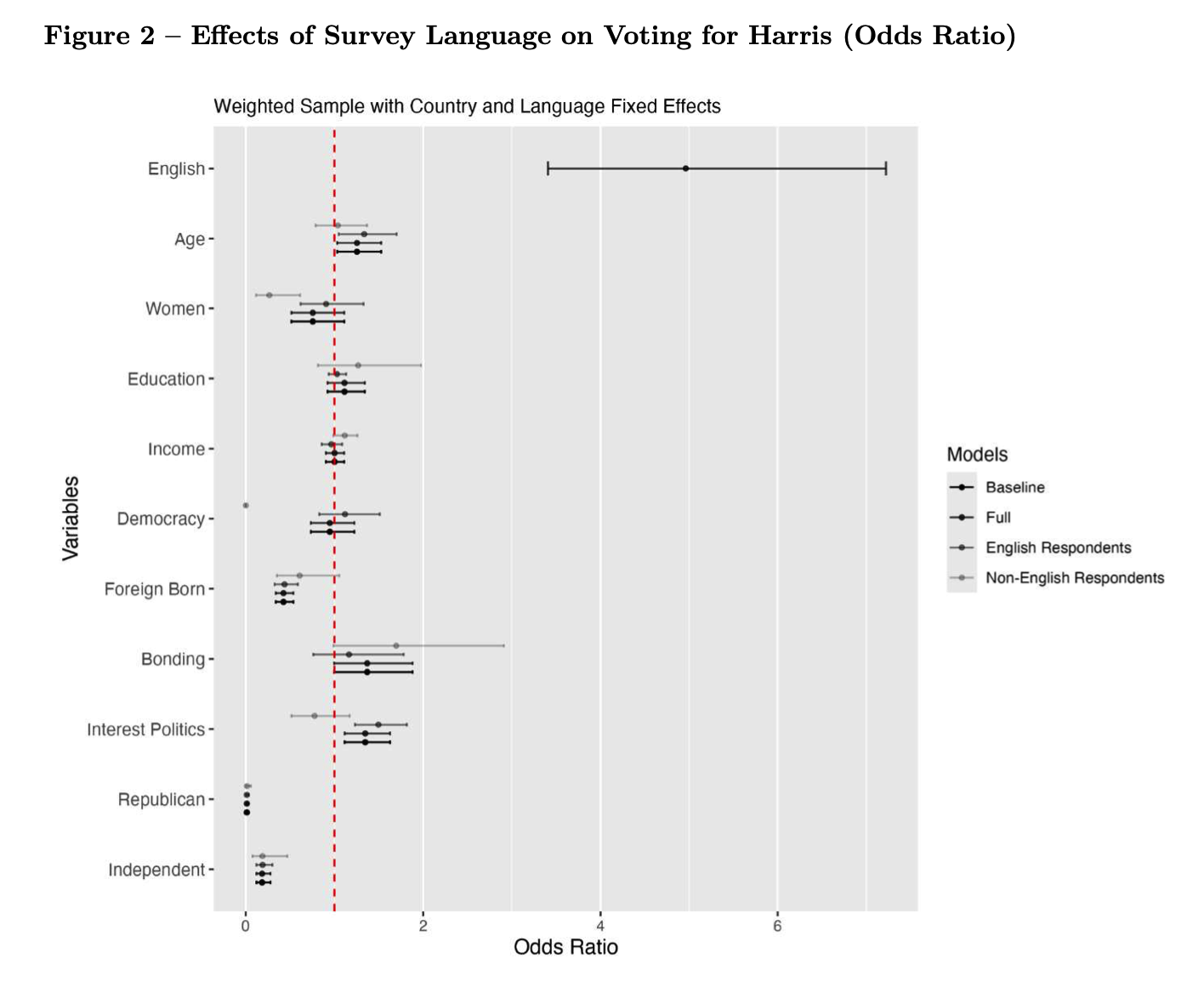
Survey data from before the 2024 election about Asian American voting behavior did not match exit poll numbers. What explains this discrepancy? In this note we argue there are methodological limitations – specifically with the data collection process. Existing surveys systematically under-sample English-limited Asian Americans – a population that is almost 44% of the community. Consider how less than 2% of the Asian respondents in the CMPS took the survey in an Asian language. Since linguistic proficiency is not randomly distributed, what this means is that research on Asian Americans is largely biased towards liberals and Democrats. We fielded an original survey that draws on extensive, targeted recruiting of the Asian American community (N=4956) – of which 28% of the respondents took the survey in a non-English language. Our results not only match exit polls but also highlight – on average – a 14% gap in Democrat support between English and non-English language speakers in the Asian American community. This note offers a workflow for future researchers to think about how to sample non-English speaking communities in the US with minimal financial barriers.
-
The Legitimacy of Wartime Emigration: Evidence from a Conjoint Experiment in Ukraine (with Roman Hlatky, Laura Linkeschova and Amy Liu) [Under review]
Abstract
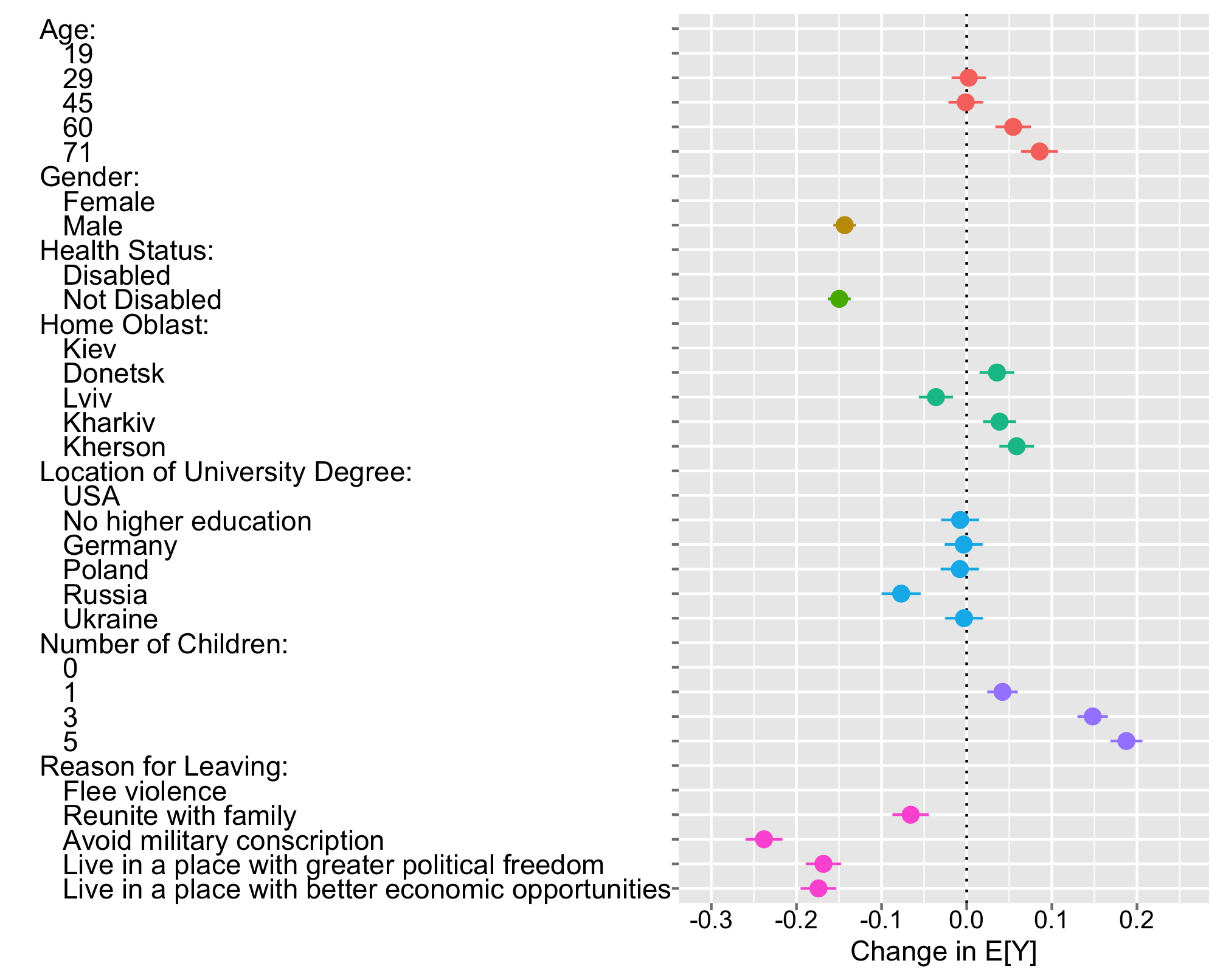
Russia’s full-scale invasion forced nearly six million people to flee Ukraine between 2022 and 2025. While existing work has largely focused on tolerance in refugee-receiving states, we shift attention to how citizens in origin countries evaluate wartime emigration – an outcome of significant importance for post-conflict social cohesion. We contend that attitudes towards wartime emigration depend on perceptions of duty – expectations about who has an obligation to remain and contribute – and deservingness – judgments about whether departure is justified or warranted. To evaluate, we fielded a conjoint experiment with Ukrainian citizens (N=1,601), asking respon- dents to assess not only (1) the legitimacy of emigration, but also (2) the government’s right to stop individuals from leaving Ukraine. Citizens endorse departures when emigrant characteristics signal vulnerability, but oppose exit when profiles indicate dereliction of duty. Additionally, the gender of the emigrant structures these perceptions: respondents express greater support for the emigration of women than for the emigration of men with otherwise identical profiles. In sum, citizens judge wartime emigration as a moral act embedded in gendered, duty-based expectations of citizenship.
-
Moral Judgments Under Fire: Gender, Ethnicity, and Recognition in Ukraine (with Roman Hlatky, Laura Linkeschova and Amy Liu) [Pre-submission]
Abstract
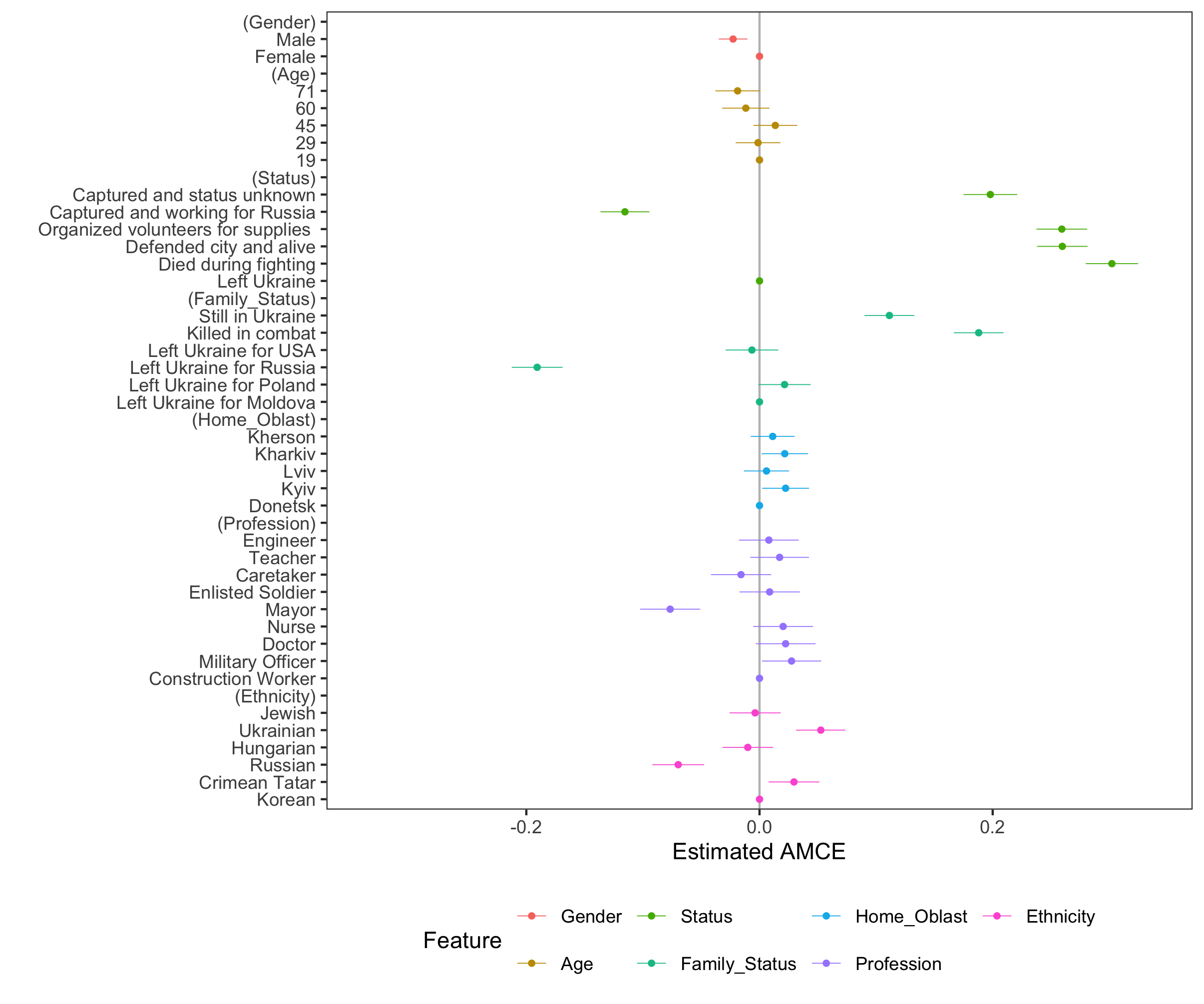
Public judgments about who deserves recognition for contributing to the war effort shape the distribution of honor and legitimacy in wartime societies. We argue that when information about contribution is limited, evaluators rely on identity-based expectations linked to gender and ethnicity to infer sacrifice, loyalty, and competence. Clear evidence of costly contribution can reduce reliance on these expectations. We test this argument with a preregistered paired-profile conjoint experiment fielded in Ukraine in 2024. Respondents evaluated randomly varied profiles and indicated whom a national agency should feature and whether each profile merited state recognition. Signals of high sacrifice, including dying in fighting or defending a city, generate broad agreement and compress identity-based differences. By contrast, ambiguous or loyalty-sensitive statuses receive the steepest penalties and are where gender and ethnic differences are most evident. Gender differences are modest overall and become most apparent when status information is ambiguous. Ethnic penalties are concentrated on Russian profiles, while other minority categories cluster near the baseline. Across outcomes, individuating evidence of costly contribution attenuates identity-based disparities, indicating that recognition regimes are most stratified under uncertainty and converge as signals of contribution become more diagnostic
-
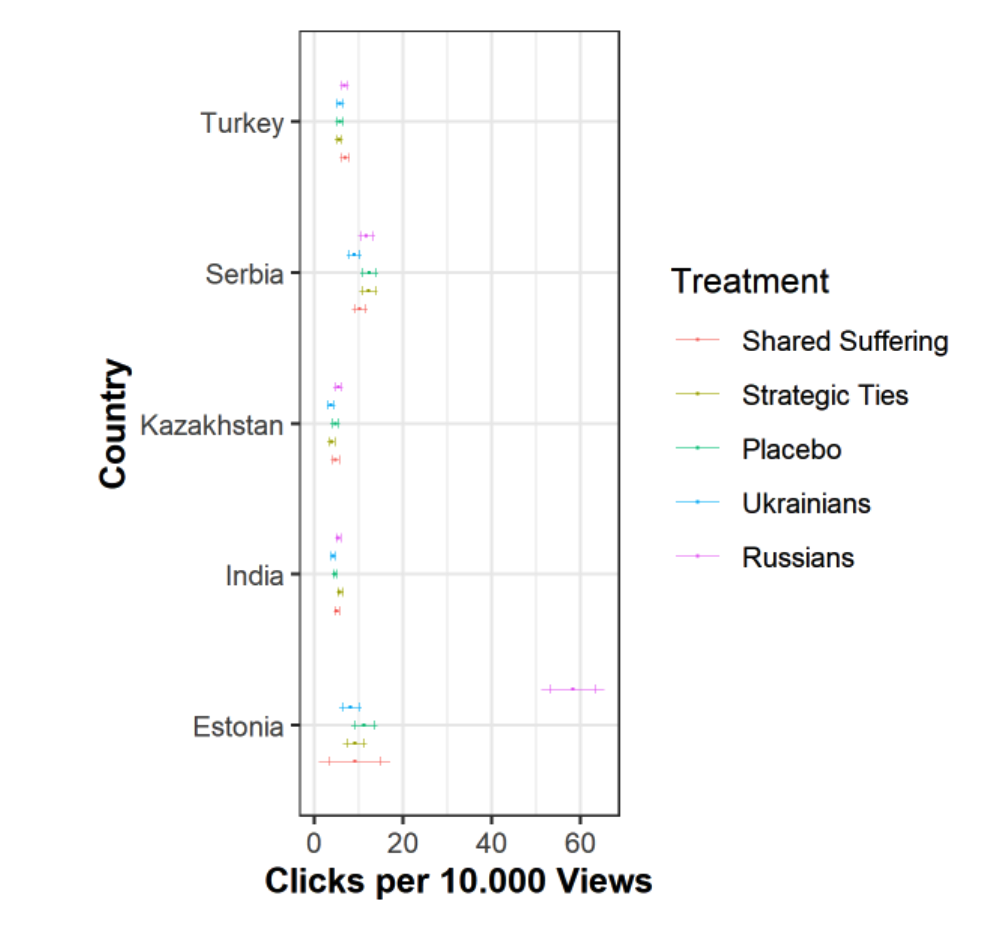
Sound And Fury, Signifying Nothing? An Empirical Test Of Russian Influence In Asia And Eastern Europe (with Jiseon Chang, Danny Cowser, Nivedita Jhunjhunwala, Daniel L. Nielson, and Eoin Power) [Data collected]
Abstract
Russia’s incursion into the Donbas in 2014 and its subsequent meddling in the 2016 U.S. election prompted an avalanche of writing on Russian influence and information operations abroad, and now, following Russia’s invasion of Ukraine in 2022, the topic has never been more salient. But we have little empirical knowledge of how Russia’s supposed influence affects meaningful behavioral outcomes. To address this gap, we execute an online field experiment in Serbia, Turkey, India, Estonia, and Kazakhstan. In all five countries, pro-Russian perspectives play a documented and influential role in shaping public opinion, or there are strong historical, cultural, and strategic reasons for (some) citizens to adopt pro-Russian attitudes. Using A/B testing on Facebook’s ad platform, we solicit donations to an NGO supporting Ukrainian refugees while randomly assigning the accompanying imagery and messaging, and we use click rates on the donation link as our main outcome variable. In doing so, we test two main interventions – appeals to shared suffering, and primes emphasizing strategic links to Russia. And we use a meaningful behavioral outcome to deliver contemporaneous insight into how existing linguistic, cultural, economic, and strategic ties interact with historical perceptions of suffering.